Health & dental
Senior Chihuahua care: the long old age, done well
This breed lives a long time, so the senior chapter from around nine or ten is a long one. Here is what changes, and how to keep an old Chihuahua bright, warm and comfortable.
Nelson and Kim, Curious Tails · AVS licence AS24J00046· Updated 24 July 2026
How do you care for a senior Chihuahua?
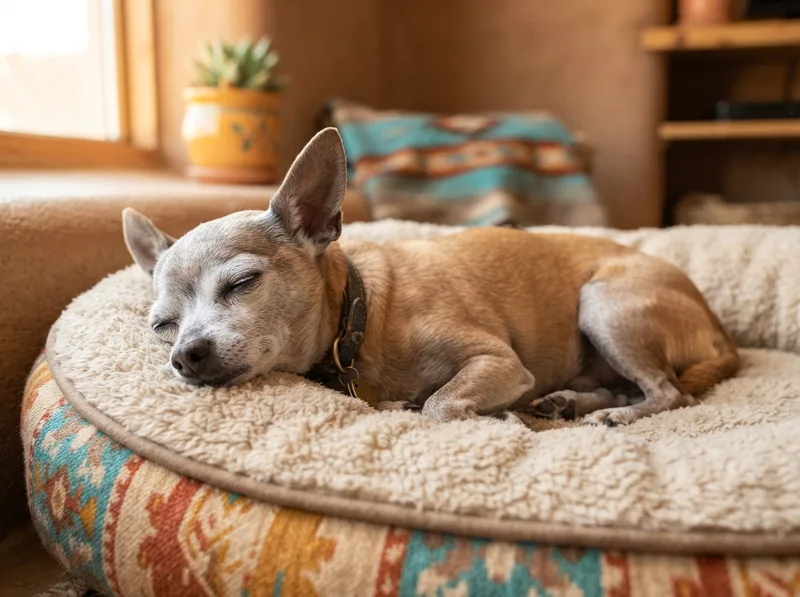
A Chihuahua is a senior from around nine or ten, and because the breed lives so long that chapter runs for years. Ease the load: a supportive orthopaedic bed, a ramp to spare stiff joints, gentler shorter walks, and more warmth because cold sensitivity grows with age. Move to twice-yearly vet checks, keep up the dental care, watch the heart, and stay ahead of pain in a breed that hides it well.
Why the senior chapter is such a long one
The Chihuahua is one of the longest-lived dog breeds, commonly reaching its mid-to-high teens and sometimes beyond. The happy consequence is that the senior chapter is long. A Chihuahua is often considered a senior from around nine or ten, which can leave five, seven, even more good years of gentle old age ahead. Getting that stretch right is a big part of owning this breed well.
Ageing here is a slow slide, not a cliff. Most of what changes does so gradually, and much of it is manageable if you notice it early. The theme of good senior care is simple: watch closely, ease the daily load, add warmth and comfort, and lean on your vet a little more often. Do that and a senior Chihuahua stays bright, engaged and comfortable deep into its teens.
Because the breed hides discomfort well, the owner’s job shifts from doing to observing. Small changes in how your older dog moves, eats, sleeps and behaves are the early warnings, and catching them is what keeps the long senior years genuinely good rather than merely long.
There is a real emotional upside to all of this too. A Chihuahua that has spent a decade or more bonded to one person often becomes, if anything, more devoted in old age, content to spend long afternoons dozing in a lap or a sunny spot. The senior years are not a sad countdown so much as a gentler, closer season with a dog that already knows you completely. Good care in this chapter is mostly about removing small daily discomforts so that closeness can carry on unspoiled.
What changes as a Chihuahua ages
Several things shift together. Energy eases: a senior sleeps more, plays in shorter bursts, and tires sooner on walks. The joints stiffen, and mild arthritis is common, showing up as hesitation before jumping, slowing on stairs, or a stiff first few steps after a nap. The heart can develop a heart murmur from age-related valve changes, which is why the vet listens carefully at every visit.
The mouth often catches up with the dog. Years of the breed’s crowded dental reality tend to surface in the senior chapter as loose or lost teeth and sore gums, so the dental care you have kept up matters more than ever now. Eyes can cloud with a bluish haze that is often normal age-related change rather than true vision loss, though any rapid change deserves a vet look. And some seniors show occasional cognitive change, a bit of night-time restlessness, confusion, or staring, the canine version of getting forgetful with age.
None of this is cause for alarm, and it rarely all arrives at once. It is simply the map of what to expect, so that when your Chihuahua slows on the stairs or the vet mentions a soft murmur, you recognise it as a normal part of the journey and respond calmly rather than in a panic.
Common changes in a senior Chihuahua
- More sleep, shorter play, tiring sooner on walks
- Stiffening joints and mild arthritis
- An age-related heart murmur the vet monitors
- Dental problems surfacing: loose or lost teeth, sore gums
- Cloudier eyes and occasional cognitive change
Setting up a comfortable senior home
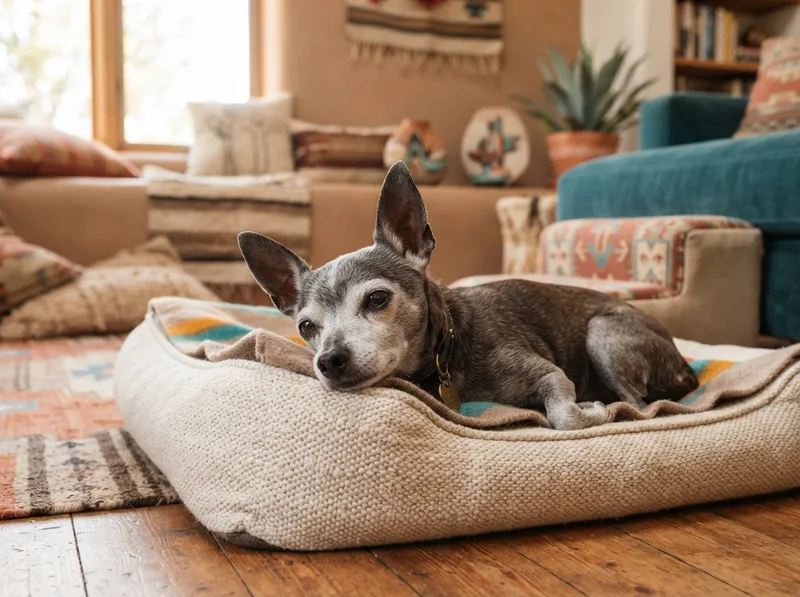
Comfort is the core of senior care, and most of it is cheap and practical. Swap to a softer, supportive orthopaedic bed that cushions ageing joints, and keep it in a warm, draught-free spot, because a senior Chihuahua feels the cold even more than it did young. Extra warmth, a blanket to nest in and a sweater on cold or heavily air-conditioned days, is one of the kindest things you can offer an old dog of this breed.
Make the home easy to move around. A small ramp or a set of pet steps up to the sofa or bed spares stiff joints and, just as importantly, protects a fragile old dog from a jarring jump down. Keep food, water and bedding on one level if you can, put a non-slip mat over slippery floors that unsure legs skid on, and keep the layout familiar for a dog whose eyes or memory may be fading.
Keep the body lean. A little extra weight is hard on old joints and an old heart, so a senior often needs slightly fewer calories than it did as a busy young adult, adjusted with your vet. Lean, warm and cushioned is the whole recipe for a comfortable old Chihuahua.
Small changes that make old age easier
- A supportive orthopaedic bed in a warm, draught-free corner
- A ramp or pet steps to spare joints and prevent jarring jumps
- Non-slip mats over slippery floors for unsure legs
- Extra warmth: a blanket to nest in and a sweater on cold days
- A lean weight and a familiar, uncluttered layout
Walks, vet checks, and staying ahead of pain
Keep moving, just more gently. A senior Chihuahua still needs and enjoys walks, but shorter and slower ones, taken more often if it likes, suit stiff joints better than one long outing. Gentle regular movement actually helps arthritis by keeping the joints mobile, so the goal is easier walks, not no walks. Let the dog set the pace and turn for home before it tires.
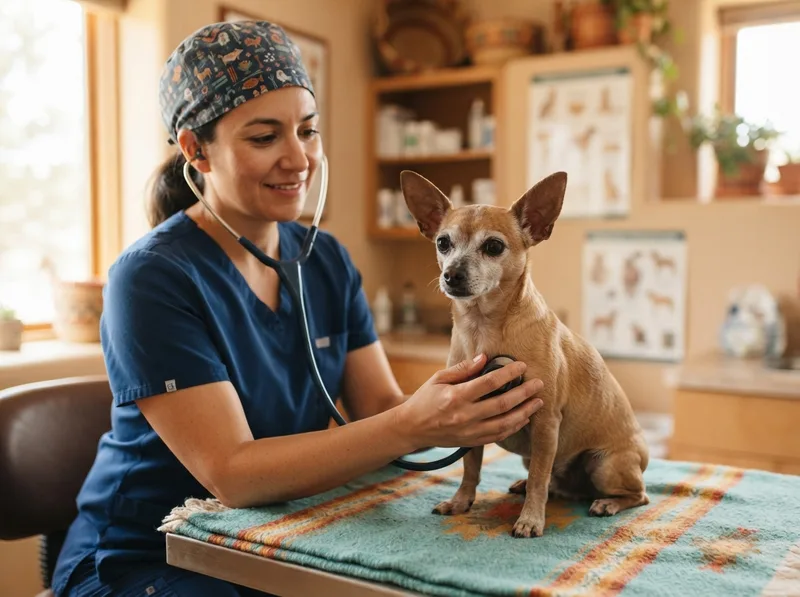
Step up the veterinary rhythm. Move from a yearly check to twice-yearly vet checks in the senior years, because at this stage a lot can shift in twelve months and catching a heart murmur, a dental problem or early arthritis early is what keeps the dog comfortable. These visits are also the moment to weigh the dog, listen to the heart, and review the dental situation properly.
Above all, stay ahead of pain. A stoic breed like this hides aches, so watch for the quiet signs: reluctance to jump, a changed gait, eating on one side, snapping when touched in a sore spot, or simply withdrawing. There is a great deal a vet can do to keep an arthritic or dentally sore old dog comfortable once you flag it, and none of it works if the pain goes unnoticed. If you want to talk through caring for an ageing Chihuahua, WhatsApp us at +65 8220 6408; we stay in touch with our families for the whole of a dog’s long life.
A stoic breed hides its aches. In old age the owner's real job is noticing, then acting.
9–10
when senior begins
Twice a year
senior vet checks
Shorter, softer
walks and bedding
More warmth
cold sensitivity grows
Keep exploring
Frequently asked questions
When is a Chihuahua considered a senior?
Usually from around nine or ten. Because the breed is so long-lived, often reaching its mid-to-high teens, the senior chapter can run for many years. That makes getting old-age care right a big part of owning the breed well.
What changes as a Chihuahua gets old?
Energy eases and sleep increases, joints stiffen with mild arthritis, an age-related heart murmur may appear, dental problems tend to surface, eyes can cloud, and some seniors show occasional cognitive change. It arrives gradually, rarely all at once.
How often should a senior Chihuahua see the vet?
Move from yearly to twice-yearly vet checks. A lot can shift in twelve months at this age, and catching a heart murmur, a dental problem or early arthritis early is what keeps an old dog comfortable.
How should I change walks for an old Chihuahua?
Keep walking but make it gentler: shorter, slower outings, more often if the dog likes. Gentle movement actually helps arthritic joints stay mobile, so the aim is easier walks, not stopping them. Let the dog set the pace.
Does a senior Chihuahua feel the cold more?
Yes, cold sensitivity grows with age, so warmth matters even more now. Give an old Chihuahua a warm, draught-free bed, a blanket to nest in, and a sweater on cold or heavily air-conditioned days.
What home changes help an ageing Chihuahua?
A supportive orthopaedic bed, a ramp or pet steps to spare joints and prevent jarring jumps, non-slip mats over slippery floors, a familiar layout, and a lean weight to ease old joints and an old heart.
How do I tell if my old Chihuahua is in pain?
This stoic breed hides it, so watch for quiet signs: reluctance to jump, a changed gait, eating on one side, snapping when touched, or withdrawing. Flag anything like that to your vet, who can do a great deal to keep an old dog comfortable.
Meet your Chihuahua
Come say hello at Balestier
2 Balestier Road #01-701, Singapore 320002 · Weekdays 12pm–6pm · Weekends 10am–6pm. Or message us first: tell us about your home and routine, and we'll tell you honestly if a Chihuahua fits.
Still deciding?
Read the price guide first: every dollar explained, no surprises at the shop.
See the price guide